Smarter Technology, Less Waste: How Our Equipment Delivers Precision Every Wash
There's a version of car washing that treats every vehicle the same — same pump pressure, same chemical dose, same water volume, regardless of whether it's a compact sedan or a full-size pickup. That approach is simple, but it's also wasteful and inconsistent.
At Al's Super Wash, we've invested in equipment built around a different principle: measure first, then apply exactly what's needed. The result is a more efficient operation, a more consistent wash, and a facility that takes its environmental footprint seriously.
Variable Frequency Drive (VFD) Technology
The high-pressure pumps that drive a touchless wash system are among the most energy-intensive components in the facility. Traditional systems run those pumps at a fixed speed — full power, all the time — regardless of demand.
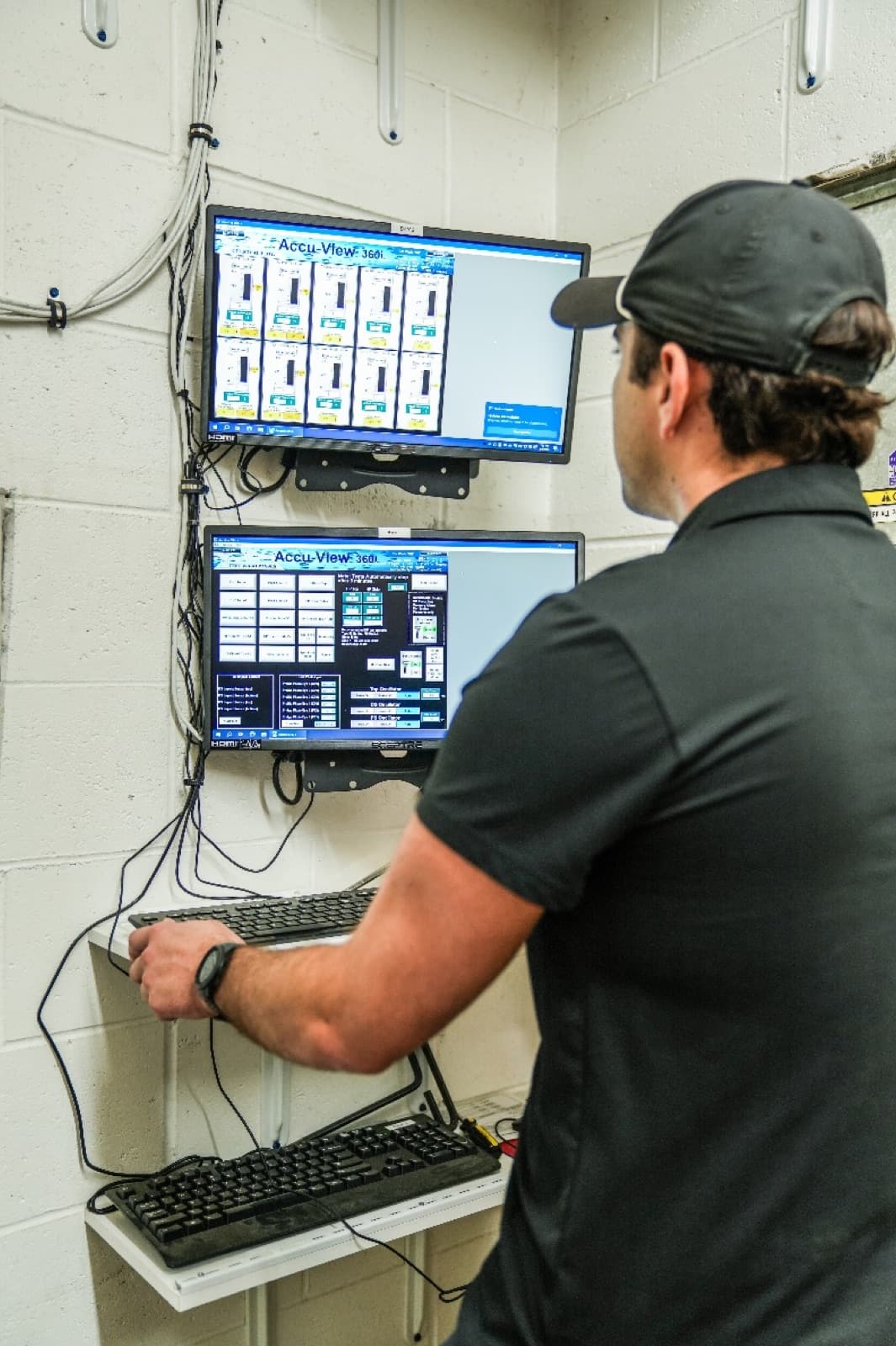
Variable Frequency Drive technology changes that. VFDs electronically control the speed of pump motors in real time, matching output precisely to what the wash cycle actually requires at any given moment.
What this means in practice:
- Pumps ramp up when high-pressure rinsing is needed and scale back during lower-demand phases
- Motor speed is continuously adjusted rather than running at maximum capacity and throttling back mechanically
- Energy consumption drops significantly — VFDs can reduce pump motor energy use by 30–50% compared to fixed-speed systems
- Reduced mechanical stress extends the life of pumps, motors, and associated components
VFDs also provide smoother operation, reducing pressure spikes that can stress plumbing and contribute to equipment wear over time.
Vehicle Detection and Precision Chemical Application
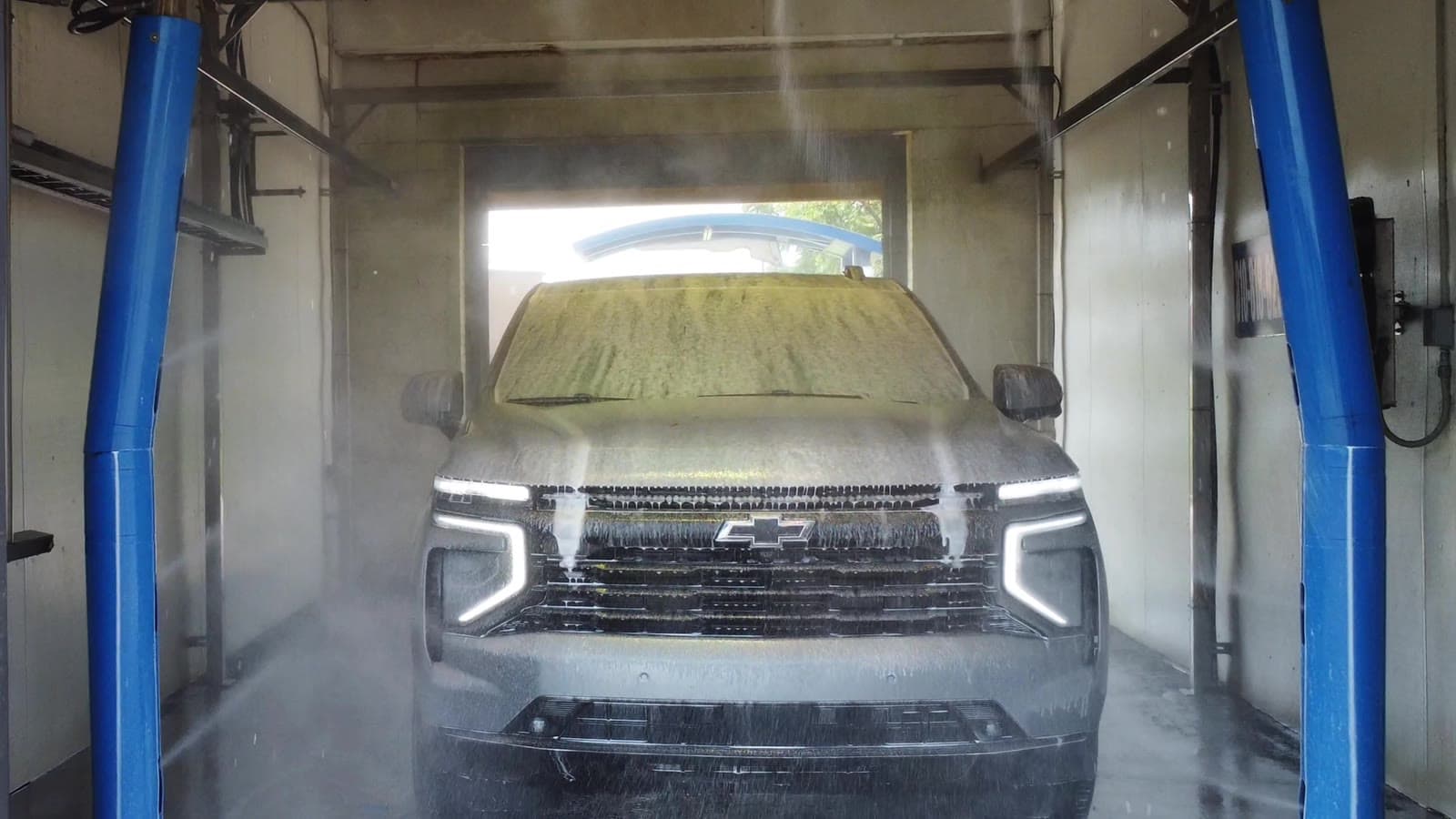
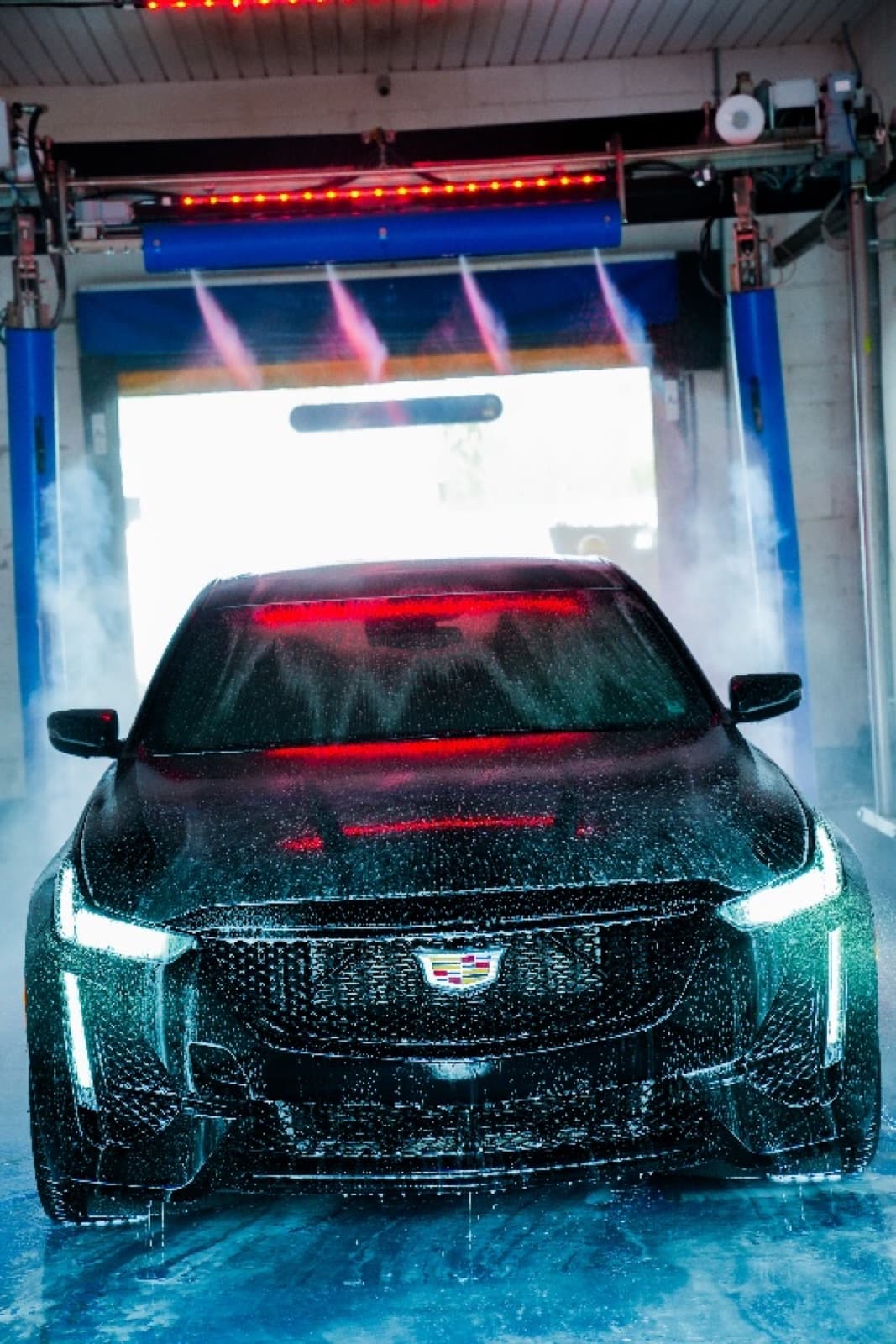
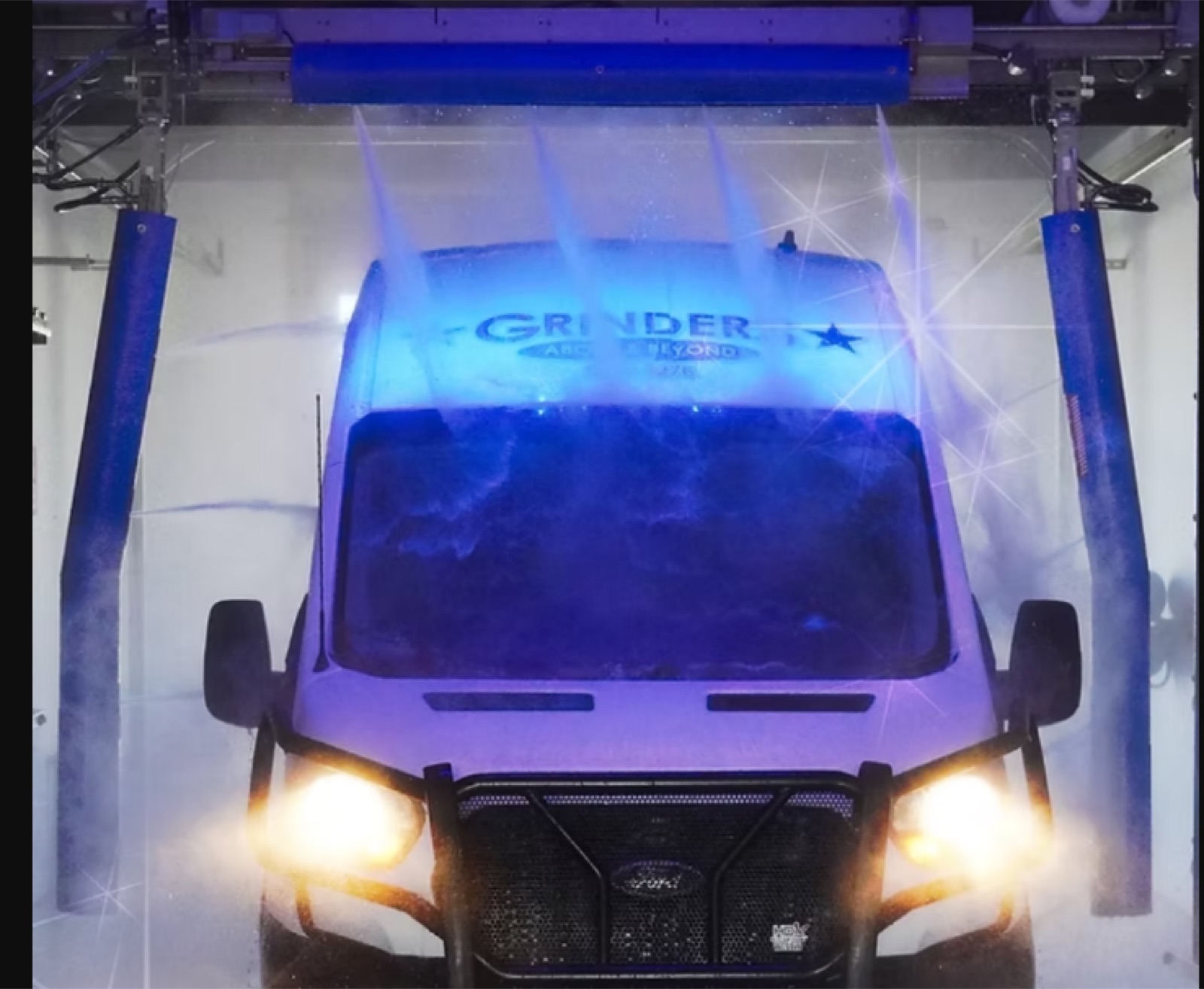
Every vehicle that enters our bays is different — different length, different height, different surface area. Our wash systems use sensor arrays to profile each vehicle as it enters, detecting its dimensions in real time.
That data drives the wash cycle directly:
- Arch positioning adjusts to match the vehicle profile
- Chemical application is calibrated to the actual surface area being treated — not a fixed default dose
- Water volume is scaled accordingly, so a compact car doesn't receive the same volume as a full-size SUV
- Rinse cycles are timed and positioned based on actual vehicle length, not a one-size timer
The outcome is a wash that applies the right amount of chemical and water to the right places — no under-application on large vehicles, no over-application on small ones.
Why This Matters for Efficiency and the Environment
Chemical waste and water waste are real operational and environmental costs. When a system applies a fixed dose regardless of vehicle size, smaller vehicles receive more than necessary and the excess goes down the drain — along with the cost of producing and transporting those chemicals.
Precision application means:
- Less chemical consumed per vehicle over time
- Lower water usage per wash cycle
- Reduced wastewater volume entering the reclaim system
- More consistent chemical coverage across every vehicle size
Over the course of thousands of washes, those efficiencies add up to a meaningful reduction in both operating cost and environmental impact.
The Bigger Picture
Investing in VFD technology and sensor-driven precision isn't just about energy bills. It reflects a broader commitment to running a facility that's thoughtful about what it consumes and what it puts back into the environment.
A better wash doesn't have to mean a more wasteful one. At Al's Super Wash, we've built systems that deliver both — and we think that's the only way this business should be run.
Experience the touchless difference
See it for yourself at Al’s Super Wash in Fenton, Grand Blanc, or on Dort Hwy. New customers can grab their first wash for just $5.