The Chemistry Behind a Better Clean: Why We Use Polymer-Based Solutions

Most folks assume all car wash soap is basically the same — you add water, it suds up, it rinses off. The reality is that the chemistry of what's applied to your vehicle makes an enormous difference in how clean it gets, how it looks afterward, and what happens to your paint over time.
At Al's Super Wash, we use professional-grade, polymer-based chemical systems. Here's why that matters — and what separates them from the traditional formulas still used at most wash facilities.
Traditional Chemicals: What Most Car Washes Use
Conventional car wash chemicals were designed to do one thing: break down and remove dirt as efficiently as possible. Many of these formulas rely on:
- High-acidity compounds that aggressively strip mineral deposits and road film
- Artificial dyes that give soap its color but add no cleaning value
- Harsh detergents that strip natural oils and wax coatings from paint
- Cheap surfactants that clean adequately but leave no protective benefit behind
The result is a car that looks clean in the bay but may be left with an unprotected, stripped surface — and in hard-water areas, visible spotting once it dries. Repeated exposure to highly acidic formulas can also degrade clear coat over time, accelerating oxidation and dulling the finish.
Polymer-Based Chemicals: A Different Approach
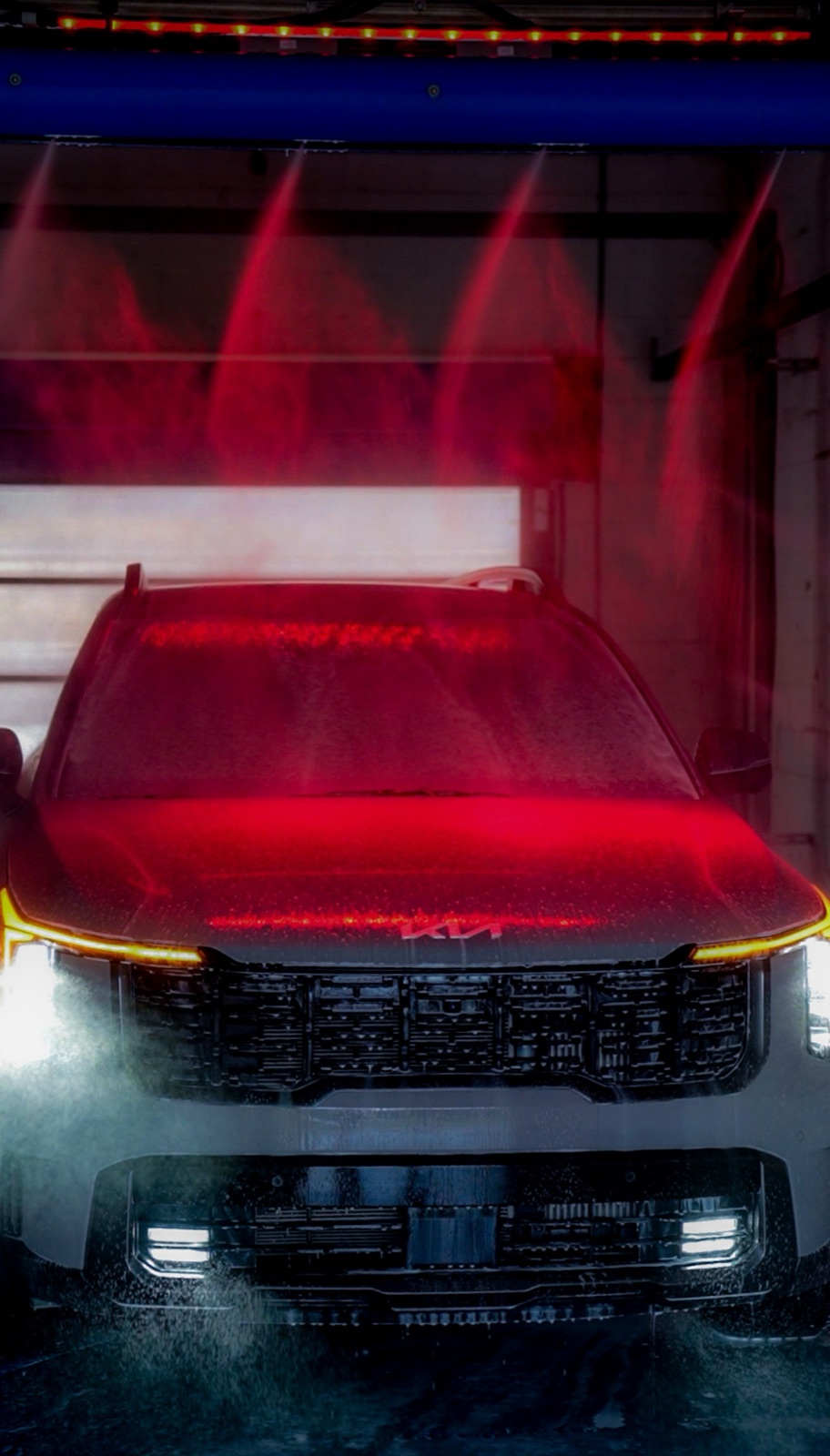
Polymer chemistry approaches the problem differently. Instead of simply stripping contaminants away, polymer-based solutions encapsulate and lift dirt particles while simultaneously conditioning the surface they're cleaning. The key components include:
- Polymers and synthetic resins that bond briefly to the paint surface, providing a protective layer as they rinse away
- pH-balanced formulas that clean effectively without the corrosive effects of high-acid products
- Hydrophobic agents that encourage water to sheet off the surface rather than bead and spot
- Conditioners that leave a subtle gloss-enhancing film on paint and plastic trim
The difference shows up immediately — in the rinse, in the dry, and in how the vehicle looks under sunlight.
What You'll Notice: Clean, Shine, and Protection
Cleaner Results
Polymer solutions are highly effective at removing road film, pollen, brake dust, and environmental fallout without requiring the brute-force acidity of traditional formulas. Because they encapsulate dirt rather than just attacking it, they tend to clean more evenly — including in recesses, panel gaps, and textured surfaces.
Better Shine
The resin and polymer components leave a light optical film that enhances the depth and gloss of your paint. This is particularly noticeable on darker colors. It's not a wax coat — it won't last weeks — but it produces a noticeably richer finish right out of the bay compared to what you'd get from a standard detergent wash.
Actual Car Care
This is where the difference is most meaningful. Traditional high-acid, high-dye washes clean the car but do nothing to support paint longevity. Polymer formulas actively condition the surface and provide a hydrophobic layer that:
- Reduces water spotting as the vehicle dries
- Helps repel dust and environmental contaminants between washes
- Is compatible with — and supportive of — ceramic coatings and paint protection film
- Avoids the cumulative degradation caused by repeated acid exposure
When you wash at Al's Super Wash, you're not just removing dirt. You're getting a clean that works with your paint, not against it.
Experience the touchless difference
See it for yourself at Al’s Super Wash in Fenton, Grand Blanc, or on Dort Hwy. New customers can grab their first wash for just $5.